Thursday, March 3, 2016

How Poland became a major player in the Gaming Industry

Paul Chen

2013-06-26-17.10.34.jpg

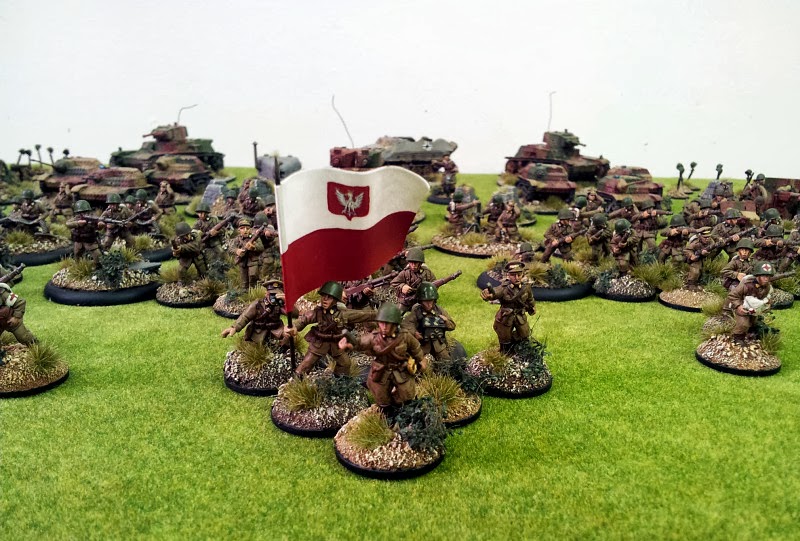
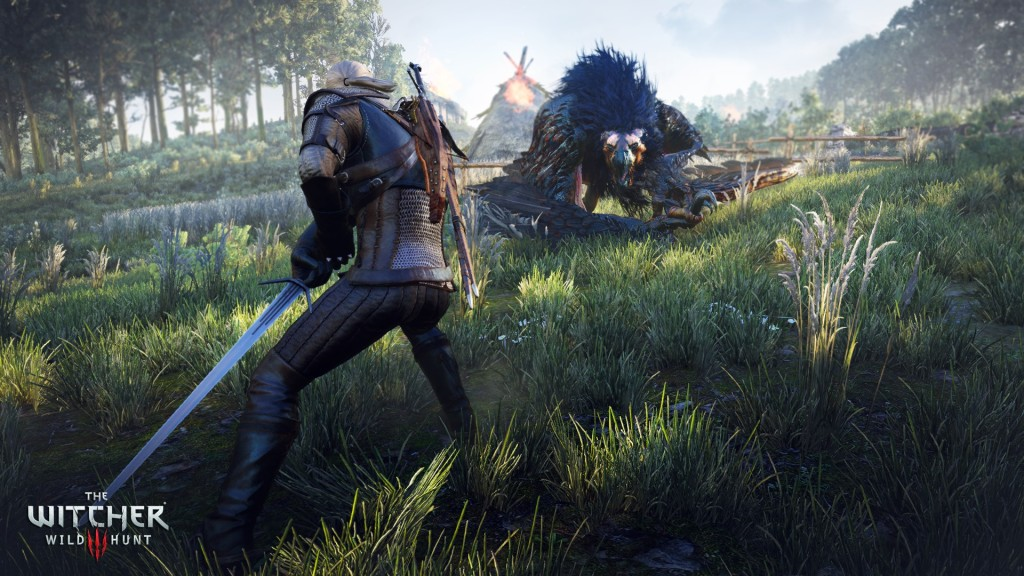
These past few years were good year for Polish Gaming. The Witcher 3 won over 200 awards. It was picked up by Netflix starring Henry Cavill of Superman fame as a replacement for Game of Thrones. The Witcher became Poland's most successful export since Robert Lewandowski and Sobieski Vodka. A complaint of many Poles is when will something Polish become a global household name. Well, fellow Poles, it has finally happened. This title became something that can be mentioned among global gaming successes like Pokemon Go, Fortnite and Grand Theft Auto. In addition, in the 2019 Holiday Season, a Polish creation is able to compete on the same level with the likes of Star Wars and Cats.
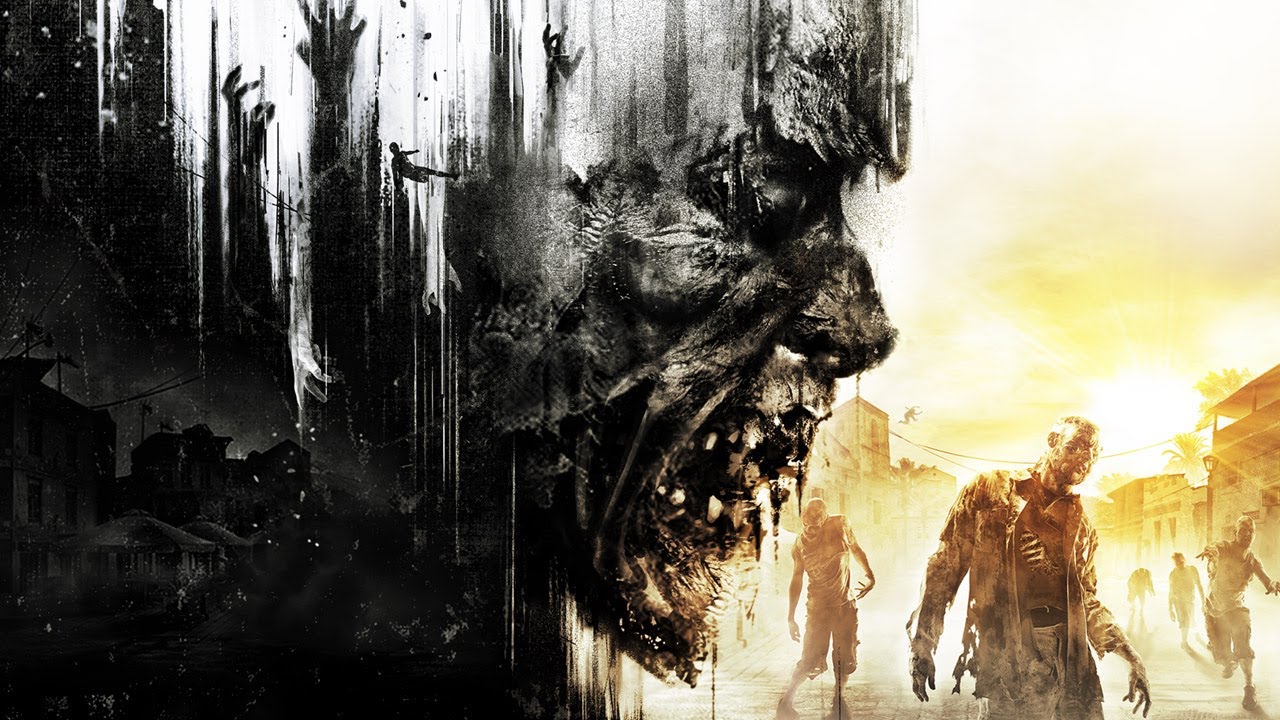
It should be mentioned that Techland’s zombie killing game Dying Light was also one of 2015’s biggest hits, with millions of players. Currently there are over 200 studios in Poland. Poland is now among the top 5 video games manufacturers in the world. You might wonder, since when did Poland become a major player in the gaming industry?
ab3fb97abf1bdf012980e9cf27645f48.png

Gaming in Poland started under the most trying of circumstances. Back during the Cold War, there was a technology embargo to this side of the Iron Curtain so most of the equipment that game developers had to work with would be considered obsolete in the West.
web_master_youtube.jpg

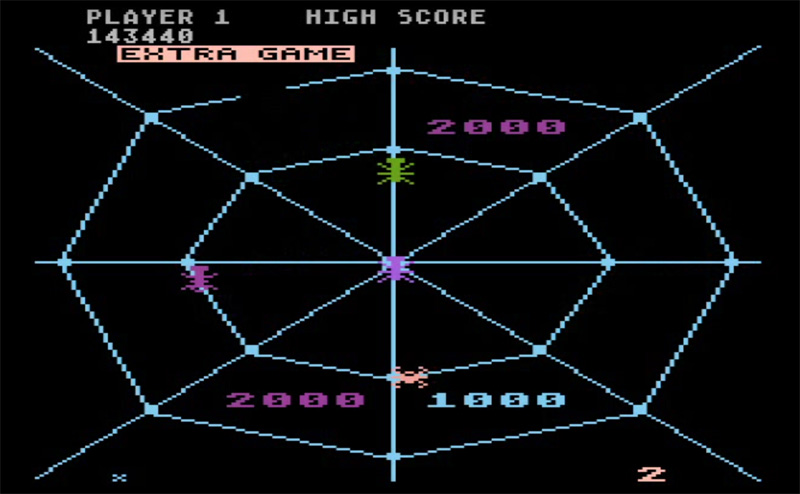
Polish gaming started in 1983 with the creation of Web Master with could be player on the Atari 400 and 800. It was Created in Wrocław by Jerzy Dybski, Piotr Bednawski and Jarosław Wyżgowski. It was a game in which you control a spider and feed it insects, maintain its web and stay away from other spiders. It was surprisingly advanced for its time because of  its different difficulty levels, soundtrack and original graphics. You have to remember that it is still in the early days of the video game industry where game characters were often just a moving polygon on your screen.

Unfortunately, it did not see the light of day. The man who commissioned the game, Stanley M. Hayduke decided not to release it. Being a religious man, he was not too crazy with the violent nature of the game, and believed that it could corrupt people. As a result, it remained a bootleg game underground cult following.  
MagicKeys.gif-384x288.png

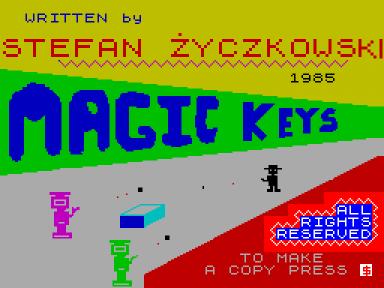
Web Master was followed by the 1985 shooting game Magic Keys by Stefan Życzkowski, as well as Marcin Borkowski’s 1986 text adventure Pandora’s Box, both for the ZX Spectrum. Because of political and economic policies, no major studios came out of it so video games remained the projects of hobbyists.
After the fall of the Iron Curtain in 1989, the situation changed dramatically. Major studios like LK Avalon, Mirage and ASF were formed. These gaming studios were able to succeed on a national level due to the lack of available titles that could be played on the still antiquated equipment in Poland.
pc-43346-41335289284.jpg

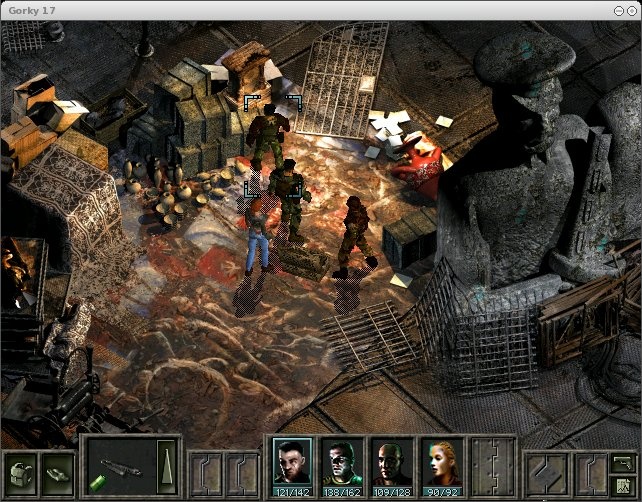
After 1991, the technology embargo was lifted. As a result, development of gaming went into hyperdrive. The availability of top of the line tech meant that they could do things that had been technologically impossible earlier. Janusz Pelz of LK Avalon, created xLand and in 1992 they developed Electro Man, a game for DOS, which became a hit in Poland and were released in the US. In 1994, Mirage released the game, Franco: The Crazy Revenge, for Amiga, where you have to confront vicious thugs in the streets. Adrian Chmielarz and Grzegorz Miechowski, who founded the Metropolis studio in 1992, are still active and highly influential in Polish gaming. One of their hits was Gorky 17, a RPG involving a former Soviet military base and genetic experiments. It achieved international success due to its unique styles.
maxresdefault.jpg

In 1996 saw the global launch of the spaceship game, Fire Flight by Chaos Works. A result of a $300K investment of Electronic Arts, it was praised for its amazing graphics.  With hits like PainKiller (2004) and Call of Juarez (2006), Poland started to gain a global gaming fanbase. All of this culminated in 2007 with the release of the Witcher from CD Project Red, a studio based here in Krakow. The sequel, The Witcher 2: Assassins of Kings was used as a diplomatic present from the former Polish Prime Minister, Donald Tusk to President Obama in 2011. Among the current lot of popular Polish games are Vanishing of Ethan Carter (2014), received a BAFTA for Best Game Innovation and of course the aforementioned Witcher 3.

Thank you for reading another post just for you!  If you liked what you read please share it by using one of the buttons below and check out other posts in this blog.  I don’t want you to miss out on future posts so please follow me on Twitter @Eurodude23.  If you haven’t done it already, please like my Facebook fan page by clicking here!  And if you like the content you have read, and are looking for a content writer for your team please email chen.paul23@gmail.com for details. See you next time!

Friday, February 12, 2016

Startup Europe Week invaded Krakow - the Aftermath

Paul Chen


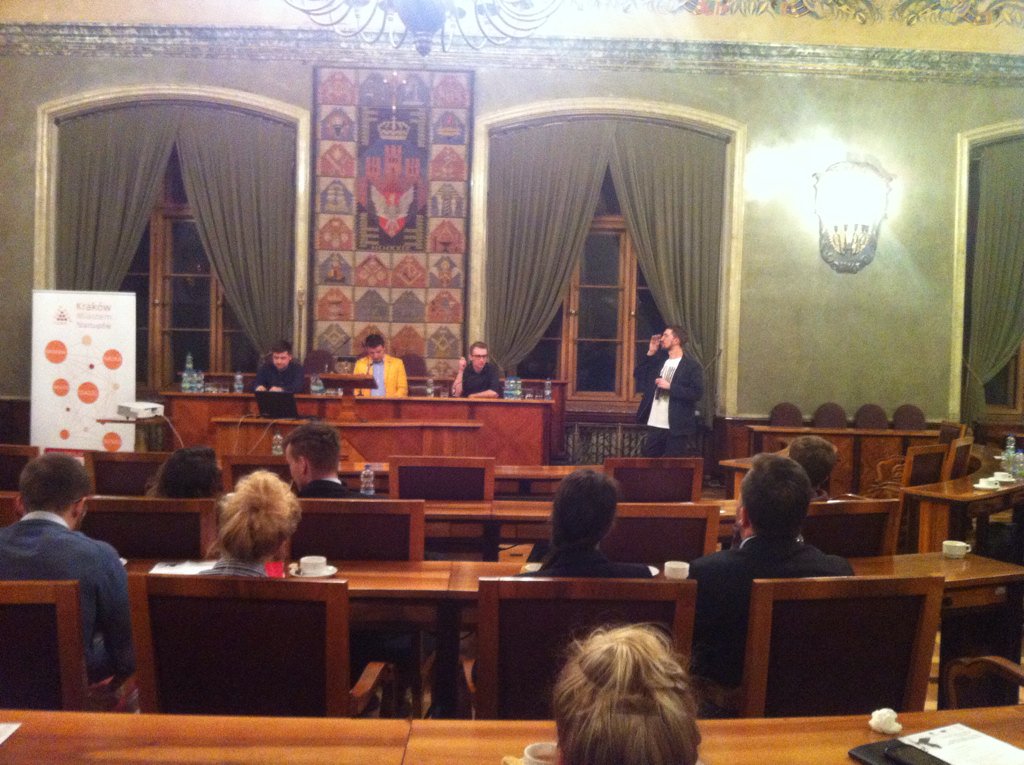
Well, that was fun! Last Friday evening, Startup Europe Week had their conference in Krakow. It was organized by myself and Paulina Galińska and the crew from Kraków Miastem Startupów.
I can honestly say that it was a success. It was also a great learning experience. Here are my post-event reflections.


I felt that the video intro from the European Commission was quite a good introduction on the rationale behind the organization. The point of the event is to educate entrepreneurs and people who are thinking of becoming one about the resources available to them locally. Luckily, Krakow and Malopolska was just named one of the European Region of Entrepreneurship 2016. Then the following organizations made short presentations about their program.


Krakow City Hall - Filip Jarmakowski - Municipal
MaloPolska Region - Elżbieta Sztorc, Bartłomiej Gąciarz - Regional
Krakowski Park Technologiczny - Małgorzata Popławska - Incubator/VC
Klaster Life Science - Kazimierz Murzyn - Biotech
KIC InnoEnergy - Anna Czerwińska - Energy
Hub:raum - Łukasz Cieśla - Corporate VC/accelerator/incubator
InnoVenture - Marcin Bielówka - Semi-private VC
Klaster Cleantech - Janusz Kahl
Innovation Nest - Krzysztof Kobyłecki - VC


After these presenters did a panel discussion about "Effective forms and practices to support entrepreneurship". Attendees reported that the panelists were quite truthful and thoughtful in their responses to questions. That was a departure of the superficial answers that you usually get from individuals in their positions.

Panel of Startup Resources


After a short break, we were presented a discussion with panel of startups put together by ProIdea, the people who brought you Bitspiration Festival every year. The theme was "Success stories - Lessons learned."


We had a range of well established startup like the beacon producer Kontakt.io; XTRF, a project management tool for translation agencies; and an up and comer like Crafinity, startup who works with artificial intelligence.  


The language of the event was Polish. It was my decision as an organizer to do that, even though I personally, believe that every startup event should be in English. The reason behind that decision was to encourage more people to attend. Sometimes when people see that the event will be in English, those who aren’t as proficient might be discouraged.


People had warned me about having a startup event on Friday evening. However, I was resolute. This time slot is a barometer to show where people’s priorities were. Business or pleasure? I am happy to say because the room was packed from beginning to the very end, it showed the attendees enthusiasm for entrepreneurship.


I felt the event had the right spectrum of people presenting. It covered a wide variety, from regular run of the mill VC to corporate to municipal and from IoT, SaaS, Energy, to Biotech. Many entrepreneurs probably never knew that we had a cleantech klaster near Krakow which can be quite important due to the city’s fight against smog.


As an organizer, I simply must express my gratitude to the city of Krakow for letting us use their grand conference room for the event. It added so much class and elegance to the atmosphere. I felt it made for a uniquely great atmosphere, much better than some corporate or hotel conference room. It was a wonderful gesture showing that the startup community is indeed important to the city. I hope this is the start of a series of communication between them.


One of the things I would change is to charge a nominal fee for the event. Because the event was free, people ordered tickets and didn’t show up. This closed people who were serious about going to the event out. By charging a nominal fee like 2 Euros, it could prompt people to keep to their commitments.


I understand that it was the first iteration, so in the spirit of lean startup model, it wouldn’t be perfect. I would like to advise that the announcement and the granting of licenses to organize the event or events be issued like 3 months in advance. This way, it would give organizers time to make more partnerships and gain sponsorships to help organize refreshments and other promotional schemes.


Other than that, I had a lot of fun organizing this event. I would be honored to be able to do it again next time. If you were at the event and would like to tell me how I could have done better, please comment below. Please no trolls. The community had a very positive response to the event. They asked me when will there be a next one.


Thank you for reading another post just for you!  If you liked what you read please share it by using one of the buttons below and check out other posts in this blog.  I don’t want you to miss out on future posts so please follow me on Twitter @Eurodude23.  If you haven’t done it already, please like my Facebook fan page by clicking here!  And if you like the content you have read, and are looking for a content writer for your team please email me at chen.paul23@gmail.com for details. See you next time!

Sunday, January 24, 2016

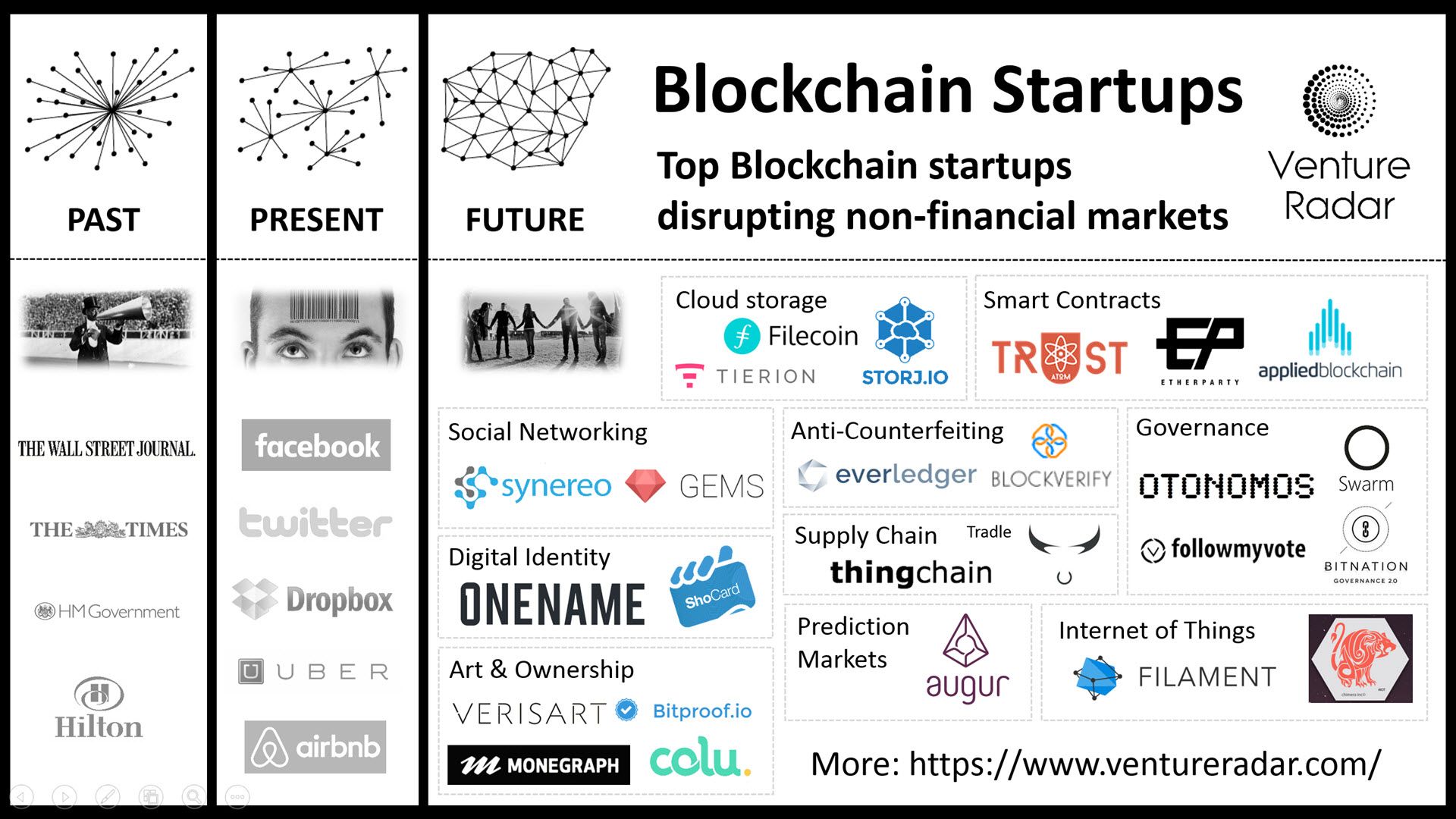
Beyond Bitcoin: The current applications for blockchain like Bitcoins are just the tip of the iceberg

Paul Chen


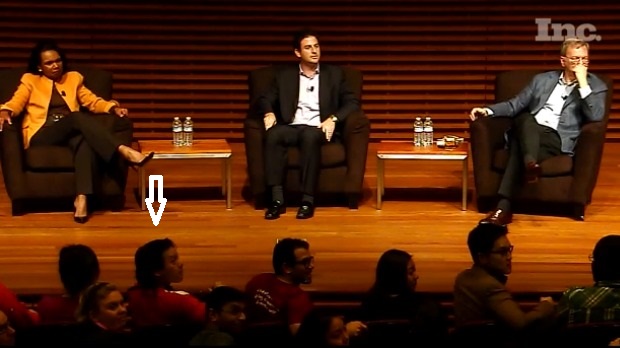
When I was in San Francisco on business in March 2014, I made a trip down to the campus of Stanford University in Palo Alto to look around. I had the serendipitous luck to be on campus when Eric Schmidt, Jared Cohen of Google and former Secretary of State Condoleezza Rice held a discussion on the future of technology. I was able to sit front row and center: During the Q & A, I held up a sign saying “Bitcoins? Regulations” Secretary Rice saw it and gave me a nod. A few minutes later, she asked Mr. Schmidt about the current fascination with bitcoins. Professor Rice was concerned with the regulation of the currency. However, Mr. Schmidt was interested by the architecture of blockchain. He said that the fact that certain parts of it is difficult to replicate is a interesting part of blockchain.

That's me under the arrow!
For a young currency, Bitcoin has had a controversial history. At the time of this writing, it is trading at $409 per coin. At its peak in December, 2013 it was trading at $1147 per coin. Then Mt Gox collapsed and brought the market to its knees. The value of a currency is based on how much people trust it to be able to hold value. Based on the fact that mining bitcoins is complex, energy intensive process coupled with the fact that only 21 million coins will ever be mined, one might reason that it should be worth more than gold. But it’s not. However, whatever happens to bitcoin, its underlying architecture will continue to fascinate, tech and financial people for years to come. It has become one of the most exciting tools of the fintech sector.

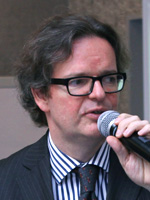
I sat down with Patrick Young (CEO of Hanza Trade) a finance expert with over 30 years of experience in exchanges as to discuss the present and the future of blockchain. (In addition to advising investors the world over, amongst his portfolio of startups, Patrick publishes “Exchange Invest” the global daily benchmark newsletter on markets & market structure world-wide).

You once told me that you have been involved in the bitcoin market for quite some time. How did you come to be aware of such a thing at such an early stage of its development?

PLY: Actually I predate Bitcoin insofar as it was obvious when I first picked up on the nascent WWW over 20 years ago, that the web broke down just about every value chain then extant. That meant money too. I codified this thinking in print (yes, that quaint old concept of a physical book!) in 1999  with “Capital Market Revolution! - the future of markets in an online world” (FT Prentice Hall). However, I am no Satoshi. While I could see the value of electronic money, I didn’t foresee the distributed ledger which Bitcoin introduced to a broader public.

I feel that anything that holds value or used as money should be somehow regulated. What are your thoughts on this in terms of cryptocurrencies?

PLY: At heart, I am a sunny Reaganite optimist and his maxim that the most dangerous phrase in the English language was “I’m from the government and I’m here to help” remains seared to my soul. Regulation is as double sided an instrument as the existence of cryptocurrency. After all, it is regulations that are precluding customer choice to user disruptive services such as Uber… Look at what works in Poland and what doesn’t: the public sector is broadly incompetent if not outright dysfunctional, oblivious to the requirements of its client base and spends more time regulating to serve its own purpose than delivering economic good. Besides, no other currency is regulated - what government would submit themselves to such scrutiny when they regularly deface the value of their own coin through various monetary shenanigans?

The great news late last year was the EU’s own courts deciding Bitcoin is a currency and not a commodity which helps it grow relatively unimpeded in at least these 28 nations. (It also ought to be helpful to the Polish BTC ecosystem where the tax authorities and government have generally been much more conservative in adjusting to new processes).


Banks seem to be very interested in bitcoins and other fintech ventures as it has the ability to render them obsolete. Do you feel that the banks have anything to worry about?
Banks have everything to worry about. This is the perfect storm where their exploitation of double entry bookkeeping leading to a protracted regulatory monopoly is now in very clear danger of extinction.

Those with great balance sheets can survive and pivot profitably to some new milieu but banking per se has, on the macro level (and I am talking about a 500 year trend here!) peaked. It’s decline is already happening and remains inevitable in terms of the classic model but it may take as long as 30-50 years to be really clear at the general public level.

The current application of blockchain is pretty much exclusive in the mining of bitcoin as well as other cryptocurrencies, however there are more things that once can do with the architecture.

The possibility for the Blockchain are colossal. If Poland sees an outbreak of government with foresight for instance, then local councils could easily use Blockchains to deliver registers for property - thus removing the vast mountains of paper cluttering up regional government offices amidst a cloudy and broadly incompetent paper-centric system of local property taxation for instance.


One of the most pressing issues in tech is security. How might blockchain be used to address this issue?

Blockchain can deliver various means to effectively clarify trades / data entries that are difficult to break without simultaneously hacking a broad range of computers in different places because the ledger of data changes is, as it is called, distributed. This, in and of itself, delivers a multi-faceted security feature.

One of the features of blockchain is the open ledger. Why would this be considered a benefit, and what can we do with it?

“Open” in the sense that the ledger is available to all members within that chain (dependent on protocols this can be in near real time or over longer periods - essentially the one quirk is the need to have a lot of bandwidth to show every transaction in near real time to every participant).

Eric Schmidt mentioned in the talk about “inability to replicate or to be copied” when talking about blockchain. What does he mean by that?

With the Blockchain a public (or private) user group distributed resource, to change a record means changing it on a multiplicity of different stored ledgers simultaneously - which is, to put it mildly, rather tricky to effect without leaving behind a trail evidencing manipulation.


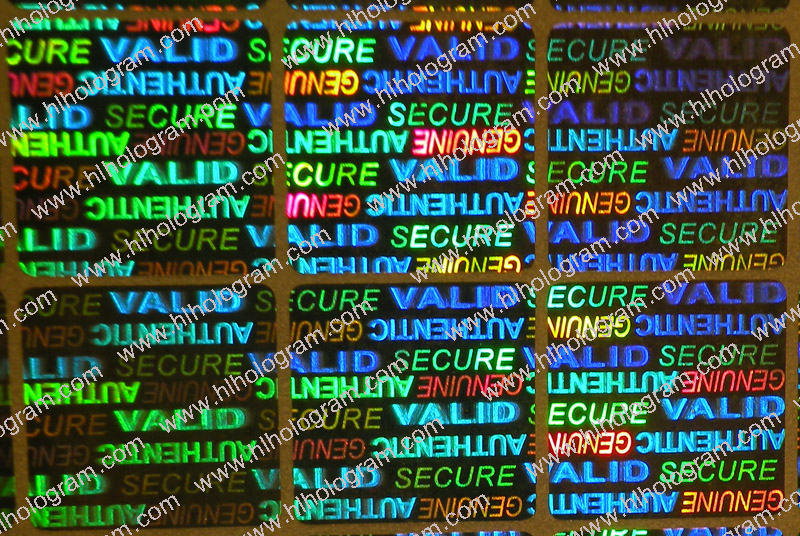
Some say that  blockchain can be used to authenticate physical objects. How would that work?

Essentially it’s a type of certification that would show the origin of the product and thus as the ledger is distributed it would be harder to change the certificate of origin without, again, being in multiple places changing the record at the same time.

Business Insider  say that insurance is the next untapped market for fintech. How can blockchain be used in this space?

Insurance is costly, inefficient, based on huge quantities of paperwork dependent upon relatively poor databases of information (much of which is blandly unspecific), Blockchain could be used to store better, personalised data, creating even smart contracts for insurance, delivering microinsurance products for small risks and so forth much more efficiently than the current bureaucratic approach which is a bit like a bludgeon managing pinpoint risks.


Blockchain can be quite costly, In terms of resources needed to even get started. I mean the hardware and the electricity requirement. How can a startup team even get started?

I disagree, blockchains can be derived open source at zero or next to no cost. The user group network can take the strain for processing - overall the costs of Blockchain creation are low.

At the moment, blockchain is so abstract that it is hard to even comprehend for the regular Joe. What needs to happen for the tech to go mainstream?

PLY: Blockchain is plumbing. Smart plumbing. As such it will go mainstream through business adoption but without the public having to realise it is taking place. How many drivers are well versed in the systems their bank uses to keep their money, or their insurer to record their motoring history? I would wager next to none. In fact most people have no idea of the complexity of electronics in their car, compared, say to the simplistic electrical system of, say, the classic Polish Syrena from the 1950’s. Blockchain revolutionizes the world in the same way software does - the vast majority of humanity does not have to worry about where the process happens or how it works...they just want to use the software and enjoy an efficient, cost effective service.


Tell me a little about your latest publication?

The settlement infrastructure of financial markets as well as the risk management processes for derivative and cash markets are at once fascinating and also, in many places, significantly behind the speed of other technological innovations, as legacy systems have not yet caught up with the innovations of technology and, indeed, Blockchain. I call it the move to “Zero Hour” clearing. You can download “Towards A Real Time World Market” free of charge.


Thank you for your time. It was much appreciated.

Thank you for reading another post just for you!  If you liked what you read please share it by using one of the buttons below and check out other posts in this blog.  I don’t want you to miss out on future posts so please follow me on Twitter @Eurodude23.  If you haven’t done it already, please like my Facebook fan page by clicking here!  And if you like the content you have read, and are looking for a content writer for your team please go to www.contentfarm.org for details. See you next time!

Wednesday, January 13, 2016

MIT Tech Review President Kathleen Kennedy’s prescription for Polish Start-ups and innovative Entrepreneurs

Paul Chen


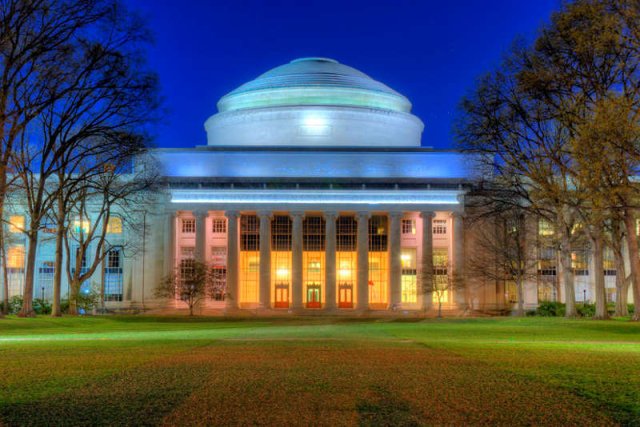
Over the last 116 years, MIT Technology Review, is the go-to place for in-depth reporting on the latest in technology and what is to come. Their articles are insightful, comprehensive, and authoritative.  Their mission is to equip their audience with the intelligence to understand a world shaped by technology.  Part of their work is to point out some of the most innovative people in the world.  This year they brought their Innovators Under 35 program to Poland for the first time.  As the grand finale of the Bitspiration Festival in Warsaw in a ceremony, they awarded ten young Poles with Innovators Under 35 distinctions. They have also awarded two of those with Social Innovation Special Mention and the prestigious Innovator of the Year. I had a chance to talk to Kathleen Kennedy, the President of the MIT Technology Review.

Kathleen Kennedy began her career at Deloitte and Touche in accounting. But having found her calling in media, she left finance to join a startup that specialized in media research for the film industry. Kathleen worked on a wide range of movies for major studios, including Warner Bros., Paramount, and 20th Century Fox. In her 14 years at MIT, Kathleen has helped MIT Technology Review redefine the magazine brand and achieve success in a rapidly changing market.  She has helped to create a new type of media organization that was based at MIT but remained an independent entity from MIT. She has since helped to build this new type of media organization and that means that they diversified away from being a single title magazine into a robust media organization that has a number of different channels.


MIT Technology Review has been seen as an authoritative source of information on technology. How did your publication get to that point?

We do this with serious journalism, written in clear, simple language, by a knowledgeable editorial staff, governed by a policy of accuracy and independence.
We use features, news analysis, business reports, photo essays, reviews, and interactive digital experiences that invite our readers to probe deeper, examine data, get to know experts and their opinions—to see, explore, and understand new technologies and their impact.

Technology was quite a different thing at the founding of the magazine in 1899. Has anything changed now in 2015?

Our mission has been pretty much fundamentally the same over the last 116 years: to help leaders and technologists and policymakers to understand what is the impact of new technologies.  And today we see the most interesting new technologies such as artificial intelligence, robotics, biomedicine, smart devices, Internet of Things, and in new energy sources as a vast amount of technologies that are fundamentally changing our world. They are allowing people to harness new technologies to help our world become more sustainable and to solve our most pressing problems.


MIT Technology Review is not more than just the magazine, can you tell us what are some of their other endeavours?

We have host competitions like the Innovators Under 35 competition that is now in twenty two regions around the world.  Our MIT Enterprise forum organization is a community and support organization for technology entrepreneurs. In that, we have twenty five chapters around the world.  In addition we still have our flagship magazine and we are expanding our events globally where with the MIT Enterprise forum we have over four hundred community events around the world. Our signature MIT Technology Review flagship event called M. Tech which in 2016 will be in ten markets.  

In a world with so many technology related media outlets, how has MIT Technology Review manage to get above all the noise?

As our mission statement is all about the impact of new technologies. Therefore, editorially, what we try to do is not only explain the new technologies but talk about why they matter.  And that is that is our unique value proposition. It's not just ‘OMG’ technologies and “aren't they cool” but in fact how new technologies are being harnessed by people to fundamentally solve problems.  So we look all around the world at data from all kinds of different sources. That data is being harnessed to understand what are the patterns and how those patterns can help people to identify and solve problems.  Just tonight we saw and heard from Stefan one of the Innovators under 35 from Belgium to talk about his new company that is harnessing telecom data for aid workers so that they can work better and work smarter and actually see patterns and stop hunger in Africa.  So that's just one example of of a fantastic story that shows how innovators are harnessing new technologies to address a major issue.


Many people would like to say that we live in a world of crisis. Climate change was a major call of the Pope of all people. Here in Europe we have some financial crisis with Greece. However, in Chinese, the characters for ‘crisis’ also translates to opportunity. So which opportunities do you see in the next decades?

MIT Technology Review is leading a new initiative from MIT called Solve. It is organized around four major pillars.  


One is called Learn: We're looking at their how technology is fundamentally changing education and how we need to change education to allow anyone in the world who wants to learn to be educated.  New technology is a major solution for that. We've seen cases rise up all around the world. There are systems in place that will allow a young kid in India who has a real aptitude for math to learn from some of the best mathematical minds in the world in Cambridge Massachusetts.  And we've had some fantastic results.  This pillar is empowering people all around the world to be able to take charge of their own education and have the tools that they need to be able to truly learn.  

The second pillar is Cure: We are looking at how new innovations are making health care more effective and efficient for people all around the world.  Professionals are looking at new types of diagnostics.  For instance, in some microfluidic technology that is allowing health care workers in regions all around the world that didn't have proper medical care before to have very cheap disposable diagnostics. This allows them to take a drop of blood or a drop of saliva and drop it onto a piece of paper that has microfluidics on it.  This allows diagnosis to happen rapidly in the field.  That's just one example.  

The next pillar is called Fuel: What fuel is looking at is really the health of the planet. We are thinking about how we need to harness new technologies to help with climate change issues and really fix the health of the planet.  So there we’re looking at renewable energy and new types of solar technology.  One area that we're very interested in this thinking about how do we create better battery power.  If you think about it, batteries are often a limitation on new technologies.  If you think about your cell phone or think about your home being able to store power is one of our big barriers.  So there are fantastic technologists working on new types of batteries. That's one thing that was discovered at MIT but there's people all around the world working on these new technologies that are going to help us create more sustainable energy.  

And lastly the fourth pillar is called Make: Make is really about automation entrepreneurship and the workforce for the 21st century and beyond.  How are we training neural networks or what will be comprised of that workforce. There's a lot of controversy around this. There's a bit of fear around this topic but there's an amazing amount of progress that making around creating a more efficient work force to power our world.  That will be a much more effective and efficient and allow people to realize their true potential.  


During our pre-interview conversation, you expressed your astonishment on how much Poland has progressed. Can you elaborate on that?

This is my first time in Poland so I will admit that I'm not an expert on the Polish ecosystem. However, in the short time I have been here, I have met some amazing people.  I am very impressed with the level of technical expertise and the enthusiastic outlook of young innovators.  I think that there is a real desire to improve the ecosystem here and build it up.  Earlier today, I met with two young gentlemen that are helping us to establish our MIT Enterprise forum chapter for the Polish market.  They are going to be launching an accelerator program partnering with a number of incubators.  And we're very impressed with our first class of the MIT Technology Innovators under 35: Poland.  They span from Michal Mikulski who is creating robotics that allow rehab to happen much faster.  To Olga Malinkiewicz who is making printable solar cell that will allow people to use solar power and their everyday life. So I was very impressed with the wide range of the innovators here and I believe that Poland is going in a good direction.


Wow, this has been very educational and inspirational. We, in Poland, are certainly looking forward to working with MIT Technology Review to solve global problems.

It’s been a pleasure. I’m sure we’ll do some amazing work.


Thank you for reading another post just for you!  If you liked what you read please share it by using one of the buttons below and check out other posts in this blog.  I don’t want you to miss out on future posts so please follow me on Twitter @Eurodude23.  If you haven’t done it already, please like my Facebook fan page by clicking here!  And if you like the content you have read, and are looking for a content writer for your team please go to www.contentfarm.org for details. See you next time!